
The Best Cheap eSIM Plans for Travelers on a Budget
Tired of paying sky-high roaming fees or hunting for local SIM cards every time you travel? A cheap eSIM plan lets you download a data package directly to your phone, often costing a fraction of traditional options. Simply pick a low-cost plan, scan a QR code, and you’re connected instantly—no plastic cards or store visits needed. It’s a hassle-free way to stay online affordably, whether you’re exploring a new city or just dodging expensive carrier rates at home.
Understanding the Appeal of Budget-Friendly eSIM Options
The core appeal of budget-friendly eSIM plans lies in their ability to unlock immediate, tangible savings without sacrificing connectivity. For travelers and minimalists, cheap eSIM options eliminate the dreaded bill shock of roaming fees by offering hyper-local data packages at local rates. This affordability isn’t just about low cost—it’s about flexibility, letting you switch between plans on the fly as your data needs change. The real draw is turning your smartphone into a global device that adapts to your budget, not the other way around.
With cheap eSIMs, you pay only for the data you actually need, ditching the one-size-fits-all contracts for on-demand, pay-as-you-go freedom.
This direct access to competitive pricing from local carriers transforms high-cost travel into a seamless, cost-controlled experience.
How eSIM Technology Cuts Costs for Travelers
eSIM technology cuts costs for travelers by eliminating physical SIM shipping fees and last-minute airport markups. You can instantly compare and purchase budget-friendly eSIM plans from local providers before departure, locking in competitive rates without roaming surcharges. This digital approach lets you switch between cheap plans per country, avoiding expensive daily fees from single carriers. The cost reduction is immediate because you pay only for actual data use, not exorbitant international tariffs. How does eSIM technology cut costs for travelers? By enabling direct access to regional prepaid deals, it removes middlemen and physical inventory expenses, directly passing savings to users.
Key Differences Between Physical SIMs and Digital Profiles
For budget-conscious travelers, the core difference is instant flexibility versus physical constraints. A physical SIM requires you to locate a store, insert a tiny card, and swap it out when switching providers. A digital profile, however, is downloaded over Wi-Fi and activated immediately, often with a QR scan. This eliminates the risk of losing a card. The practical sequence for a cheap eSIM plan is:
- Purchase a cheap eSIM plan online.
- Receive a QR code or activation link instantly via email.
- Scan or enter the code in your phone’s settings to activate data.
- Keep your physical SIM slot free for another network or home service.
You can switch digital profiles between networks without ever touching your device’s hardware.
Who Benefits Most from Affordable eSIM Solutions
Frequent travelers and digital nomads benefit most from affordable eSIM solutions, as they avoid expensive roaming fees by purchasing local data plans instantly upon arrival. Budget-conscious students studying abroad also gain significantly, using cost-effective connectivity to stay in touch without exceeding tight budgets. Additionally, remote workers on temporary assignments leverage cheap eSIM plans to switch between countries seamlessly, avoiding physical SIM swaps. For those with dual-SIM phones, this allows maintaining a home number while using a budget data-only eSIM for local access. Occasional tourists benefit by pre-loading plans before departure, sidestepping airport kiosk markups and ensuring immediate connectivity upon landing.


- Frequent travelers avoid roaming charges
- Students abroad manage tight budgets
- Remote workers switch countries seamlessly
- Occasional tourists skip airport markups
Top Factors for Comparing Low-Cost Digital SIM Packages
When comparing cheap eSIM plans, prioritize total data allowance against cost, not just headline gigabyte numbers, as some budget packages deprioritize speed after a soft cap. Check for stringent throttling policies that render video streaming unusable; a truly affordable plan must list capped speeds clearly. Verify if the digital SIM includes a local number for verification codes, a common hidden gotcha in low-cost options. Q: What is the most overlooked factor in cheap eSIM plans? A: The validity period—a 30-day plan at $5 is cheaper than a 7-day plan at $3, yet many users miss the daily cost comparison. Finally, confirm tethering is allowed without extra fees, as budget packages often disable hotspot tethering silently.
Data Allowance vs. Price: Finding the Best Value
When comparing cheap eSIM plans, the core calculation is data allowance versus price. Divide the total cost by the gigabytes to find the per-GB rate, as a plan with a seemingly low upfront price might actually offer poor value if it includes very little data. A mid-priced plan with a generous allowance often costs you less per megabyte than the absolute cheapest option. Prioritize plans where the price scaling is logical—doubling the data should not quadruple the cost. The key is to align the allowance with your typical usage patterns, avoiding paying for bulk you will not use or a stingy cap that forces expensive top-ups. Focus on cost-per-gigabyte efficiency above the headline price.
Coverage Networks and Roaming Zones That Matter
When comparing cheap eSIM plans, prioritize primary network roaming zones rather than total country counts. Many low-cost packages offer coverage in popular travel hubs but have limited or no service in rural regions or smaller nations. Verify that the plan partners with a major local carrier in your destination, as budget providers often use smaller networks with weaker signal. Also check if roaming includes high-speed data or if it reverts to slow 2G/3G outside urban centers.
Focus on the actual roaming zone footprint and primary network partner, not just the number of countries listed.
Validity Periods and Top-Up Flexibility
When comparing cheap eSIM plans, validity periods and top-up flexibility directly impact your budget and convenience. Short-term validity, like 7 or 15 days, suits quick trips, while longer windows (30, 90 days) prevent unused data from expiring prematurely. Top-up flexibility lets you add data packs mid-cycle without buying a whole new plan, avoiding wasted funds. Look for providers that allow seamless data extensions after initial depletion, ensuring you never run out during crucial moments. A rigid plan with no top-up option often forces costly re-purchases, while flexible ones adapt to your changing needs.
Validity periods determine how long you stay connected without overspending, while top-up flexibility lets you pad your data without penalty, making cheap eSIM plans genuinely cost-effective.
Hidden Fees and Fine Print in Budget eSIM Offers
When hunting for cheap eSIM plans, the devil is truly in the fine print. Many budget eSIM offers advertise a rock-bottom price, only to spring hidden fees when you try to top-up or change data packages. You might see a $5 plan, but the activation cost, a mandatory “service fee,” or a sneaky “setup charge” can double that price. Watch for throttling clauses that drastically cut your speed after using a small data cap, making the cheap plan useless for streaming or maps. Also, check the expiry terms; some budget eSIMs void any unused data if you don’t manually extend within a strict 24-hour window, effectively stealing your credit. Always scroll to the very bottom of the order page and read the “Terms of Data Usage” – that’s where the real cost of a “cheap” plan hides.
Speed Throttling and Data Caps You Should Know
Budget eSIMs often lure you with low prices, but fine-print throttling can gut your experience. After burning through a small “high-speed” cap, your connection may drop to glacial 128 kbps—enough for texts but useless for streaming. Always check if the plan offers unlimited data at reduced speeds after the cap, or if it cuts off entirely. Some providers throttle specific activities like video, even before you hit the limit. Know your actual usage: a 1GB daily cap might vanish in an hour of navigation or social feeds.
- Identify the exact data threshold before throttling kicks in (e.g., 500 MB daily).
- Confirm the post-throttle speed; anything below 256 kbps hampers web browsing.
- Check if zero-rating or video-specific throttling applies separately.
- Review if the cap resets per day, week, or month to avoid mid-trip surprises.
Activation Costs and Refund Policies
Budget eSIM plans often mask their true cost behind surprising activation fees. A plan advertised as $5 might tack on a $3.00 connection charge, making the total upfront payment crucial to verify. Refund policies are even trickier: many providers offer zero refunds once the eSIM is installed, even if the service fails abroad. You typically have a narrow window—often just 24 hours after purchase, with less than 1 MB used—to claim a refund. Compare these fine-print traps before buying.
| Provider Aspect | Activation Costs | Refund Policy |
|---|---|---|
| Hidden Fees | Often non-refundable setup fee ($1–$5) | Strict: No refund after eSIM download |
| Grace Period | Charged at checkout, not upon use | Typically 24 hours post-purchase |
| Usage Limit | One-time fee per plan purchase | Must use 0 MB to qualify for refund |
Compatibility Checks for Older or Unlocked Devices
Budget eSIM offers often skip mentioning that compatibility checks for older or unlocked devices can incur hidden costs. A phone without eSIM hardware, such as an iPhone X or earlier, cannot use the plan at all. Even unlocked Android models from before 2019 may lack the necessary firmware. The sequence to verify this is simple: first, check your device’s IMEI on the provider’s online tool; second, confirm your phone model supports eSIM via its official specs; third, test a free trial eSIM before purchasing a cheap plan. Skipping these steps can lead to a paid plan you cannot activate, with no refund offered.
Regional Plans That Won’t Break the Bank

For budget-conscious travelers, regional eSIM plans offer substantial savings over single-country or global options, bundling multiple neighboring destinations like Europe, Southeast Asia, or the Americas into one package. These plans often provide 5–20 GB of data for a fraction of the cost of per-country purchases, with prices typically ranging from $10 to $30 for 30 days. A key advantage is the elimination of roaming fees across the covered region, allowing seamless connectivity when crossing borders without manual reconfiguration. Always verify the specific countries included in the plan, as some cheap options exclude certain territories. For frequent cross-border trips, a regional plan often becomes more economical than separate local eSIMs. Just ensure your device supports the required network bands for consistent coverage.
Europe-Focused eSIMs for Multi-Country Trips
For multi-country trips across Europe, a region-specific eSIM is your budget’s best friend. Instead of buying a separate plan for each border you cross, grab a single affordable Europe travel eSIM that covers dozens of countries like France, Italy, and Spain on one prepaid data pool. These plans usually cost less per GB than a local SIM in any single nation, and you activate them instantly without hunting for a store. Just pick a plan with enough high-speed data for your itinerary, then enjoy seamless connectivity from Paris to Prague without surprise fees.
| Provider | Coverage | Typical Price (10GB) |
|---|---|---|
| Airalo | 40+ European countries | $20–$25 |
| Holafly | 32 European countries | $19–$24 |
| Ubigi | 30+ European countries | $15–$22 |
Asia-Pacific Deals for Frequent Visitors
For frequent Asia-Pacific visitors, cheap esim plans unlock seamless roaming across hotspots like Japan, Thailand, and Australia. Multi-country regional vouchers let you pre-pay for a set data pool, avoiding per-trip reloads. Typically, activation follows this sequence:
- Buy a plan covering your target zone (e.g., Southeast Asia bundle).
- Install the eSIM QR code before departure.
- Auto-connect to local networks upon landing.

Choosing a plan with 10–20GB typically covers two weeks of maps and messaging without topping up. Look for providers offering rollover data or top-up discounts for return trips, maximizing value across multiple destinations.
North America Packages with Urban Coverage
For budget-conscious travelers, North America Packages with Urban Coverage focus on high-speed data in key cities like New York, Toronto, and Mexico City, omitting rural zones to keep costs low. These plans typically rely on dense city tower networks, ensuring solid connectivity for navigating subways, booking rideshares, or streaming on the go. To activate one:
- Purchase a prepaid eSIM from a provider specializing in city-centric coverage (e.g., Airalo or MobiMatter).
- Scan the QR code before departure, ensuring your device is unlocked.
- Upon arrival in a covered metro, enable the data line; your phone will auto-connect to local urban towers.
Choose a package with at least 5GB to last a week, checking that your route’s airports and train stations are included in the city zone.
Short-Term vs. Long-Term Affordable Digital SIMs
When weighing short-term vs. long-term affordable digital SIMs, your trip length dictates the cheapest eSIM plan. For a week-long vacation, a short-term data pack (7–15 days) offers the lowest upfront cost, often under $10, and avoids wasted data. Conversely, if you travel for a month or more, a long-term eSIM plan (30 days) slashes the per-day cost, typically halving the expense versus buying successive short-term plans. For digital nomads or frequent travelers, committing to a 30-day or 90-day cheap eSIM plan ensures predictable pricing and uninterrupted connectivity. Always match the plan’s validity to your actual stay—short-term for quick trips, long-term for extended use—to maximize value without overpaying.
Weekly Plans for Quick Getaways
For quick getaways, weekly eSIM plans offer the most cost-effective balance between short trips and minimal commitment. These plans typically provide 5–7 days of data, often starting around $5–10, making them ideal for last-minute travel decisions. Weekly travel eSIM bundles usually include 1–5GB of high-speed data, sufficient for navigation and messaging without long-term contracts. You should verify if the plan activates immediately or requires scheduling a day in advance. Unlike month-long options, weekly plans avoid unused data waste, and most providers allow instant purchase via an app.
Weekly eSIM plans prioritize simplicity and small data caps for 5–7 day trips, preventing overspend on digital connectivity.
Monthly Subscriptions for Extended Stays
For extended stays, monthly subscriptions offer the best balance of cost and convenience within cheap eSIM plans. They bypass the daily top-ups of short-term passes, providing a consistent data allowance for a full 30-day cycle. This makes budgeting predictable, with long-term traveler savings often exceeding 40% compared to weekly renewals. You retain your original local number while enjoying high-speed connectivity, avoiding the hassle of physical SIM swaps or temporary hotspots. Choose a plan that auto-renews at a flat monthly rate, and you’ll have seamless internet for your entire trip without interruption or surprise fees. Auto-renewal ensures you never lose service mid-stay.
Pay-As-You-Go Options for Sporadic Use
For sporadic travelers, Pay-As-You-Go eSIM plans offer the most cost-effective solution by eliminating monthly subscription fees. These plans charge only for actual data consumed, typically via top-up credits that expire only after extended inactivity (often 6–12 months). Users purchase a small initial data bundle, then add funds only when needed, avoiding wasted coverage. A comparison of common options is below.
| Plan Feature | Airalo | MobiMatter |
|---|---|---|
| Base Credit | $4.50 (1 GB) | $3.00 (500 MB) |
| Top-Up Fee | No fee | $0.50 per add-on |
| Validity | 365 days after last use | 180 days after purchase |
Always check data rates for your destination; some Pay-As-You-Go eSIMs bill per MB at higher costs than prepaid bundles, making them best for infrequent, low-data bursts like checking maps or messaging.
How to Activate a Low-Cost eSIM Without Extra Fees
You just bought the cheapest eSIM plan to save money on your trip, but hidden activation fees can ruin that deal. To avoid them, you must start directly within the provider’s official app, never through a third-party reseller. The key is scanning the QR code only from your purchase confirmation email—do not click random links or accept in-app “express setup” options that often charge extra. Once scanned, the eSIM installs silently; you then manually select this data profile in your phone’s cellular settings, ignoring any prompts to “top up” or buy add-ons during setup.
Activation is truly free when you bypass premium onboarding features.
Finally, reboot your device with roaming enabled, and your cheap plan goes live without billing you a cent beyond the plan’s original price.
Quick Setup Steps via QR Codes
To activate a cheap eSIM plan, locate the QR code setup option in your device’s mobile network settings. Begin by purchasing a plan from a provider offering a free activation eSIM. You will then receive a unique QR code via email. Open your device’s Settings, navigate to Cellular or Mobile Data, and select ‘Add eSIM.’ Scan the provided QR code promptly. Once scanned, confirm the activation. The profile installs instantly, bypassing any physical SIM fees. After a brief verification, your low-cost data plan is active. Test connectivity by toggling airplane mode for a final refresh.
- Access device Settings and select ‘Add eSIM’ or ‘Cellular’
- Scan the provider’s QR code directly with your camera
- Confirm the profile installation and await immediate connection
Using Provider Apps for Instant Connection
Activating a cheap eSIM without extra fees often happens instantly through the provider’s own app. After purchasing a plan, you simply download the app, create an account, and follow the guided setup. Most apps automatically detect your device and push the eSIM quick-activation profile directly to your phone’s settings. This bypasses manual QR code scanning or carrier support calls. The typical sequence is:
- Open the provider app and log in.
- Select your purchased plan from the dashboard.
- Tap “Install eSIM” and confirm the system prompt.
- Wait 30–60 seconds for the instant connectivity to appear in your status bar.
No hidden steps, no extra fees—just a seamless tap-to-connect workflow.
Troubleshooting Common Activation Glitches
When your low-cost eSIM won’t activate, first confirm your device is unlocked and connected to Wi-Fi, as common activation glitches often stem from a weak or unstable data signal. Manually entering the profile details from your provider’s email can fix scan failures; if the QR code fails, request the manual activation code. Restarting the phone after installation clears many frozen progress bars. For dual-SIM setups, ensure the cheap eSIM line is set as the primary data source. If the network remains offline, toggle airplane mode for 30 seconds—this forces a fresh registration without extra fees.
Consumer Tips for Spotting Genuine Discounts
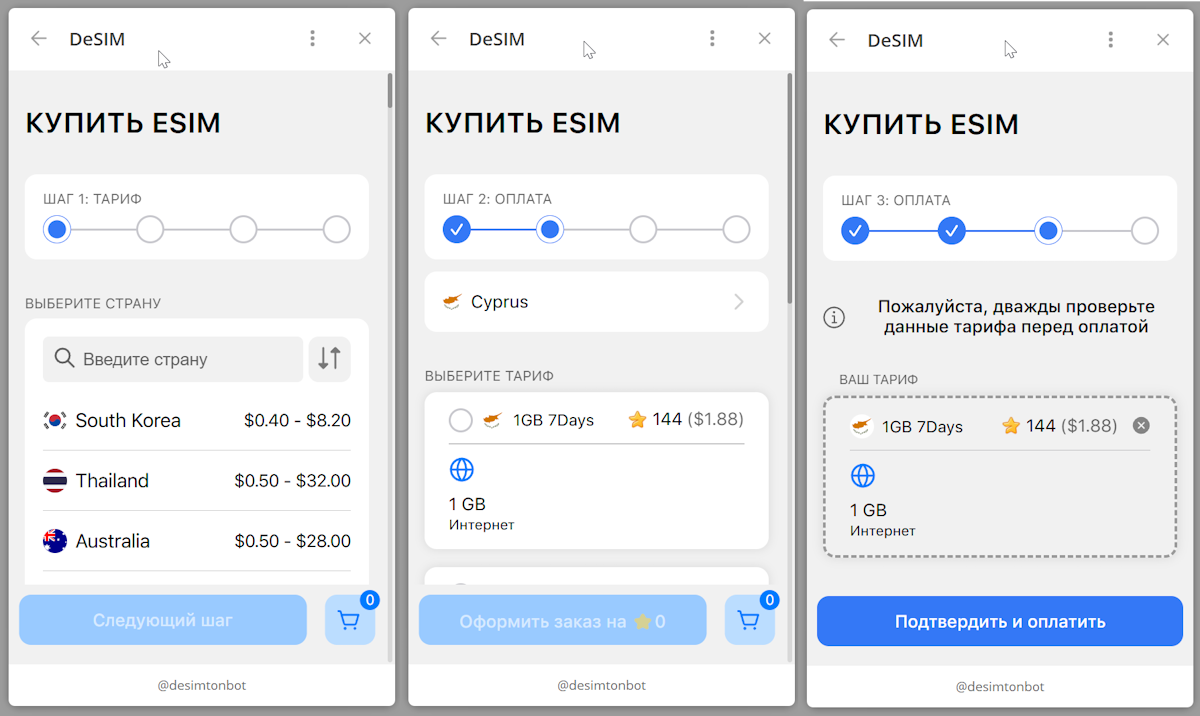
When hunting for cheap esim plans, verify a genuine discount by comparing the final checkout price against the provider’s own standard rates. A true deal will not include hidden activation fees or force you into a long-term contract to unlock the reduced price. Scrutinize the data allowance; sometimes “discounted” plans simply slash data volume while keeping the cost static. Look for temporary price drops that specifically state a reduced rate for the first month or billing cycle. Finally, use a price comparison tool that directly lists both the original and the sale price to clearly confirm the genuine discount, rather than relying solely on a banner claim.
Red Flags in Ultra-Low-Priced Data Plans
A critical red flag in ultra-low-priced data plans is drastically reduced speed caps after a trivial data allowance—often 128 kbps, rendering web browsing nearly impossible. Another warning sign is a strict “no-refund” policy buried in fine print, locking you into a non-renewable service even if coverage fails immediately. These plans frequently route data through third-party aggregators, introducing latency that breaks real-time apps like video calls or navigation. Q: Why is an unusually cheap 5GB plan suspicious? A: It likely throttles connection to 3G speeds after only 1GB, while billing you for a “5GB allowance” you cannot functionally use.
Reading Reviews and Community Feedback
Before you grab that “cheap eSIM,” dig into what real users say in app store reviews and forums like Reddit. People often highlight if a discounted plan has hidden data throttling after the first few gigs or if the activation Japan eSIM process was a hassle. Look for consistent complaints about slow speeds or poor customer support—that’s a red flag a flashy price tag might hide.
- Focus on recent reviews, as eSIM providers change pricing and terms often.
- Sort reviews by “most recent” or “critical” to spot recurring issues with budget plans.
- Check travel and tech community comments for honest speed tests in your destination.
- Ignore 5-star ratings that feel generic or copy-pasted—they’re often fake.
Comparing Multiple Vendors Before Purchase
Don’t just grab the first flashy “90% off” banner; compare multiple eSIM vendors side-by-side before you commit. A price tag slashed from $100 to $10 might hide throttled 3G speeds or a 1GB hard cap, while a $12 plan from a different seller offers genuine 5G and 5GB. Open three tabs, line up data allowances, speed tiers, and validity periods. That “unbeatable” deal often crumbles when you see the fine print on a cheaper competitor’s feature-rich offer.
| Compare This | Why It Matters |
|---|---|
| Data cap vs. speed tier | A lower price with “unlimited” 128kbps is worse than a slightly higher price with 50GB at 5G. |
| Validity period | A 7-day plan might be cheaper per day than a 30-day plan that expires mid-trip. |
| Roaming coverage | Vendor A covers your exact country with full speeds; Vendor B offers only slow, routed connections. |
Future Trends in Affordable Mobile Connectivity
Affordable mobile connectivity will trend toward ultra-lean eSIM profiles optimized for IoT and secondary devices, where cheap plans offer multi-network switching at hardware cost. Expect prepaid data packages that expire only after months of inactivity, not fixed cycles, reducing waste.
Leverage local eSIM aggregators that dynamically route your traffic through the cheapest available regional tower—this slashes roaming fees to pennies per megabyte while maintaining redundancy.
Plans will bundle minimal talk time but prioritize high-speed data bursts for streaming and navigation, with automatic fallback to throttled LTE for background apps. Over-the-air provisioning will let families share a single account across multiple eSIM-capable wearables, each with independent billing.
Rising Competition Driving Down Prices
As more providers enter the eSIM space, they aggressively undercut each other to capture users seeking budget-friendly global coverage. This forces carriers to drop prices on core data packages, making short-term tourist passes and long-term regional plans cheaper each quarter. You can now lock in a 30-day multi-country plan for what a 10-day pass cost last year. This competition also compresses price per gigabyte on premium networks, narrowing the gap between budget and high-speed tiers.
- Top-up rates for additional data have fallen by over 30% in the last year alone.
- New entrants often launch with loss-leading promotions that incumbents must match.
- Plans now routinely include extra features like voice minutes at no added cost to stay competitive.
Emerging Regional Providers with Niche Offers
These niche carriers differentiate by offering localized connectivity bundles unavailable from global giants. For instance, a provider focusing on Southeast Asia might bundle an Indonesian ferry route plan with unmetered social media access, while a Latin American specialist offers voice-heavy packages for remote workers in the Andean region. Such plans often bypass large-scale roaming fees by negotiating direct, regional tower access. A user’s key advantage is paying exclusively for the specific coverage zones they need, avoiding global plan markups. This allows precise, cost-effective data allocation for travelers targeting only one or two countries.
- Regional micro-plans often include free incoming calls within a single country bloc, reducing overall eSIM cost.
- Some providers offer data rollover tailored to multi-city itineraries, allowing unused megabytes to transfer between specific regional networks.
- Niche plans may include exclusive perks like local app discounts or transport app data zero-rating within the provider’s service region.
Potential Bundles with Streaming or Travel Services
Future cheap eSIM plans will aggressively pair with streaming and travel subscriptions, letting you activate a global data pass and instantly unlock a Netflix or Spotify tier. Expect bundles where purchasing a 30-day travel eSIM for Asia includes a free local transit app or a Hulu credit, eliminating separate bills. For frequent flyers, all-in-one travel eSIM bundles can merge a regional data allowance with hotel loyalty points or ride-share vouchers. This packaging turns your connectivity into a portable entertainment and mobility hub, making every plan feel like a complete travel toolkit rather than just a data line.